ARMENIA
HomeArmenia
Armenia has a rich culture, millennial history, delicious cuisine, wonderful nature and beautiful traditions! It is a country where every visitor feels himself surrounded in love and warmth.
Nevertheless, we gladly selected 7 wonders for you, which describe Armenian nation and spirit more vividly.
People
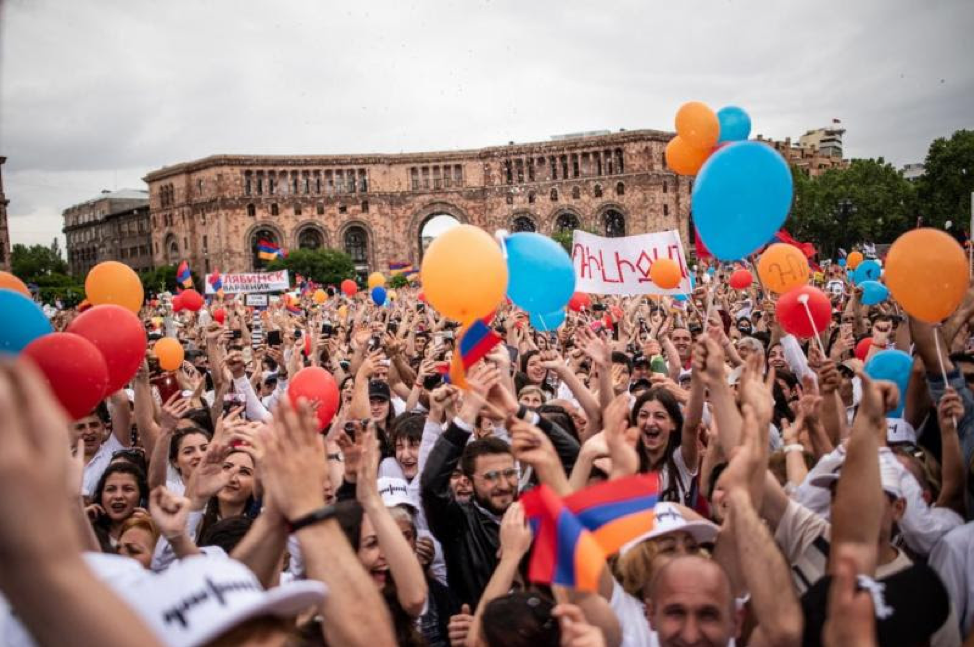
You can hardly find in any other country such friendliness, hospitality and cordiality as in Armenia. Armenians surprise with their sociable, open and hospitable character. They are always ready to help and are there for everyone, will it be a local or a foreigner. Taking care of people is a special feature of Armenians. In Armenia you feel at home. The Armenian hospitality is famous, it is pleasurable to entertain a guest as good as possible. The elderly are traditionally treated in highly respectful manner here. The Armenian proverb says։ "An old person is...
People
You can hardly find in any other country such friendliness, hospitality and cordiality as in Armenia. Armenians surprise with their sociable, open and hospitable character. They are always ready to help and are there for everyone, will it be a local or a foreigner. Taking care of people is a special feature of Armenians. In Armenia you feel at home. The Armenian hospitality is famous, it is pleasurable to entertain a guest as good as possible. The elderly are traditionally treated in highly respectful manner here. The Armenian proverb says։ "An old person is the pillar of the house". Moreover, their words are more valid than those of actual head of the house. Youngsters live with their parents until they are married. It is uncommon to live seperately or with a partner before marriage. The Armenian people are known for being particularly hardworking. This is also illustrated by another Armenian proverb։ ''From the stone you make bread".
Food
Armenian cuisine is an important part of Armenian culture. It is varied and diverse. It satisfies all the preferences and taste of every person. Armenian cuisine has something to offer even to the most scrupulous gourmet. Visiting Armenia and not being enthusiastic about Armenian delicious cuisine is impossible. It is a combination of various delightful flavors and tastes. Therefore, it is not surprising that Armenians love eating a lot. If you have ever participated in Armenian feast, you know what it means sitting at the table for hours with a full belly. One should taste everything that is put on the table. The Armenian housewife does not like when you do not touch her food. The toasts are absolute must...
Food
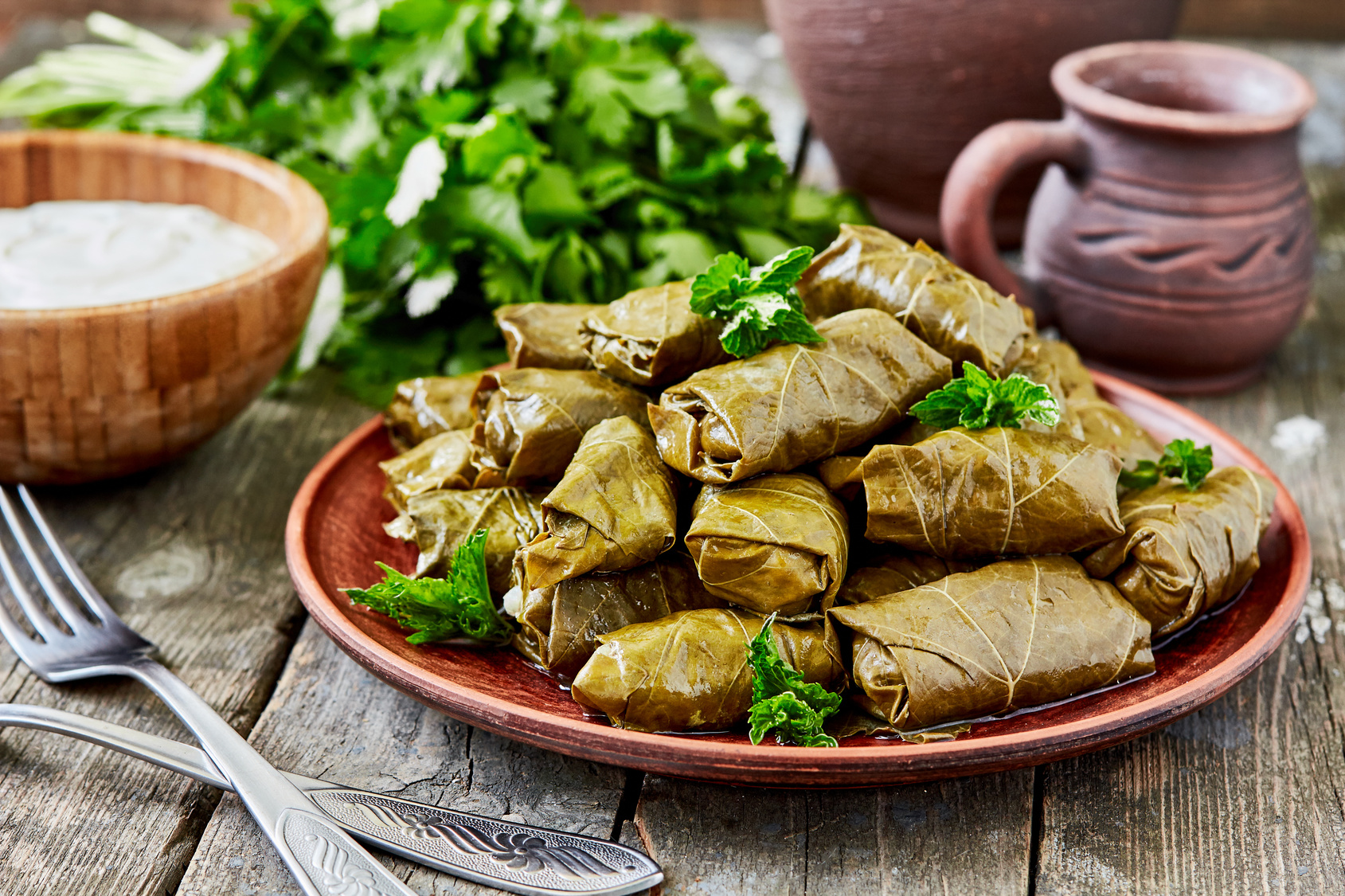
Armenian cuisine is an important part of Armenian culture. It is varied and diverse. It satisfies all the preferences and taste of every person. Armenian cuisine has something to offer even to the most scrupulous gourmet. Visiting Armenia and not being enthusiastic about Armenian delicious cuisine is impossible. It is a combination of various delightful flavors and tastes. Therefore, it is not surprising that Armenians love eating a lot. If you have ever participated in Armenian feast, you know what it means sitting at the table for hours with a full belly. One should taste everything that is put on the table. The Armenian housewife does not like when you do not touch her food. The toasts are absolute must during the meal. The head of the household or the oldest respected man presides over the table and is responsible for keeping order around. This tamada always makes toasts to the guests, friendship and family members. Armenians like to eat meat, so the majority of main dishes consist of meat. Beef as well as lamb and pork are popular here. Armenian dishes include։ Tolma (vine and cabbage leaves stuffed with minced meat) Khashlama (stewed lamb or beef, usually with potatoes and vegetables) khorovats (grilled pork or lamb on the skewers) khash (a particularly traditional dish, a broth made from cow bones) Kyufta (beef chopped and pounded a few times, boiled in balls in water or pan-fried).

Music
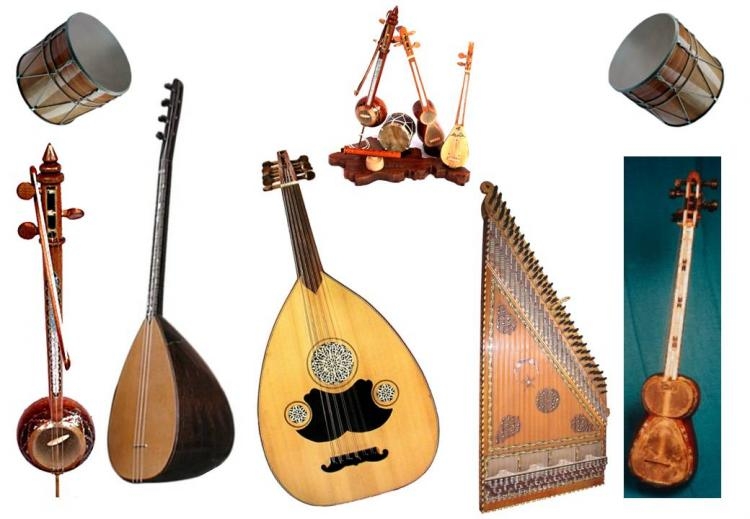
Armenian music is rich: from liturgical chants to folk dances, folk songs to richly orchestrated songs and classical Armenian music. The folk music includes love songs, work songs and rhythmic songs. Typical Armenian instruments are used here. These include duduk, saz, kamantscha, kanon. The duduk is a reed instrument made of apricot tree wood and has a melancholic and heartbreaking sound. The kamantscha is a three-stringed spit fiddle with a penetrating tone. The saz is a four-stringed lute with a long neck and the qanon is a type of zither. Until late Middle Ages, singers...
Music
Armenian music is rich: from liturgical chants to folk dances, folk songs to richly orchestrated songs and classical Armenian music. The folk music includes love songs, work songs and rhythmic songs. Typical Armenian instruments are used here. These include duduk, saz, kamantscha, kanon. The duduk is a reed instrument made of apricot tree wood and has a melancholic and heartbreaking sound. The kamantscha is a three-stringed spit fiddle with a penetrating tone. The saz is a four-stringed lute with a long neck and the qanon is a type of zither. Until late Middle Ages, singers called “ashughs” were travelling in the country and the music created by them was very ornate and intricate in structure. The songs of Ashugh Sayat Nova (18th century) are among the most popular ones. In modern times there are ashughs, through which this kind of national instrumental music always remains lively and popular and stays up to date. The graduated monk and musician Komitas (19-20 c.) became famous for collecting Armenian folklore and rearranging the polyphonic choirs. His songs are also highly appreciated. The composers Alexander Spendiaryan, Aram Khachaturyan, Tigran Mansuryan, Konstantin Orbelyan, Arno Babajanyan, the best music ensembles of Armenia, such as the State Choir, the Komitas String Quartet, the Song and Dance Ensemble have made Armenian music known worldwide.
Monasteries and Churches, UNESCO World Heritage Sites
For Armenia being the first official Christian country in the world, it is not surprising that there should be built numerous churches and monasteries in the country. Although, during the military invasions of Romans, Persians, Turks, Mongols, Seljuks many things were destroyed and set on fire, however fortunately today you can see and admire various sacral masterpieces in the country. The oldest church in Ejmiatsin was built in 303 and today it is a religious center of all Armenians. The monasteries had not only spiritual and religious significance, but also were considered to be educational centers, where many sciences and foreign languages were taught. They also had a...
Monasteries and Churches, UNESCO World Heritage Sites
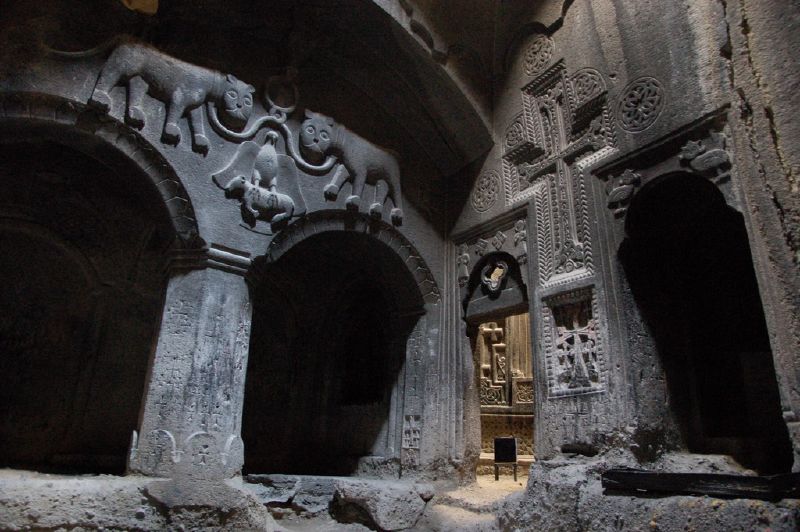
For Armenia being the first official Christian country in the world, it is not surprising that there should be built numerous churches and monasteries in the country. Although, during the military invasions of Romans, Persians, Turks, Mongols, Seljuks many things were destroyed and set on fire, however fortunately today you can see and admire various sacral masterpieces in the country. The oldest church in Ejmiatsin was built in 303 and today it is a religious center of all Armenians. The monasteries had not only spiritual and religious significance, but also were considered to be educational centers, where many sciences and foreign languages were taught. They also had a protective role. During attacks you could save your life hiding behind thick church walls or running away from the church through the secret roads. Many monasteries and churches in Armenia are listed by UNESCO as World Heritage Sites. These are Mother See of Holy Ejmiatsin (4th c.), the churches of St. Hripsime (7th c.) and Gayaneh (17th c.), the ruins of Zvartnots Cathedral (7th c.), the rock carved monastery of Geghard (13th c.), the sister monasteries of Sanahin and Haghpat (10th c.).
Varied landscapes, nature
Armenia has a beautiful nature and magnificent landscapes. Within eleven regions you can see more than 5 vegetation zones and varied landscape scenarios - dry steppe, semi-desert, mountain forests, mountain steppe, alpine zones... All this you can experience here one after another. After every 10-30 km a new and exciting panorama is opened to the eye. The beauty of the country and nature was one of the reasons to be attacked several times. The country with a lot of...
Varied landscapes, nature
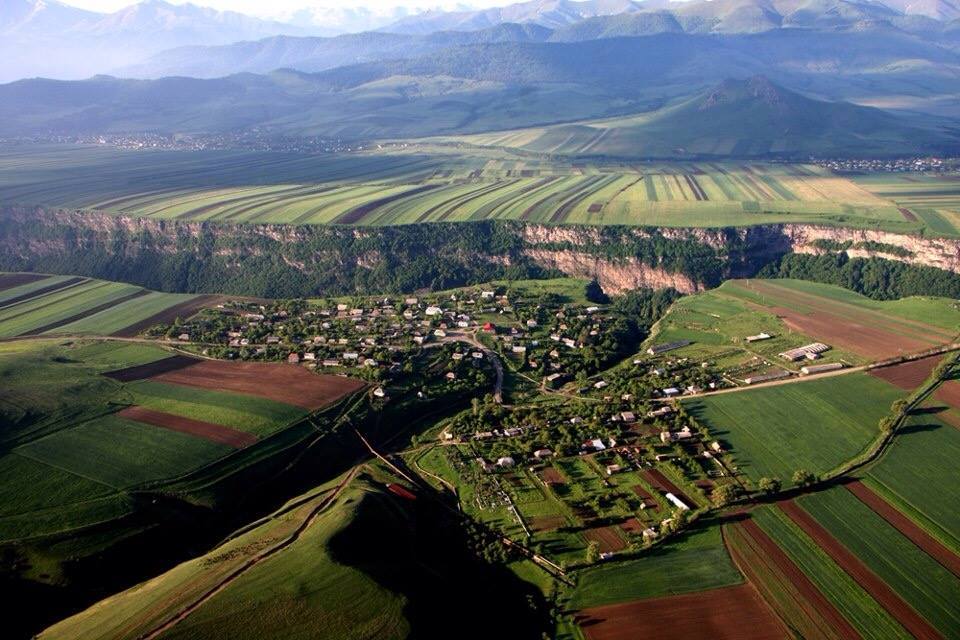
Armenia has a beautiful nature and magnificent landscapes. Within eleven regions you can see more than 5 vegetation zones and varied landscape scenarios - dry steppe, semi-desert, mountain forests, mountain steppe, alpine zones. All this you can experience here one after another. After every 10-30 km a new and exciting panorama is opened to the eye. The beauty of the country and nature was one of the reasons to be attacked several times. The country with a lot of natural resources, beautiful nature and favorable locations between Oxidant and Orient has always been a bone of contention between neighboring countries, great empires and nomadic tribes. To visit the country and not admire the landscapes would be simply impossible.
Cross stones
Big and small, black, white and colorful stones. They are everywhere in Armenia. The stones are the speechless witnesses of the history of Armenia. They hide the history of thousands of years, where there was a joy and sadness, pain and sorrow. But if you pay attention to, you can hear their cry. They will tell about victories and defeats of Armenian people, their hard work, love and devotion, pain and unwavering will. Armenians' attachment to the stone is deeply rooted. Here, in Armenia the magic stones have found their most original expression...
Cross stones
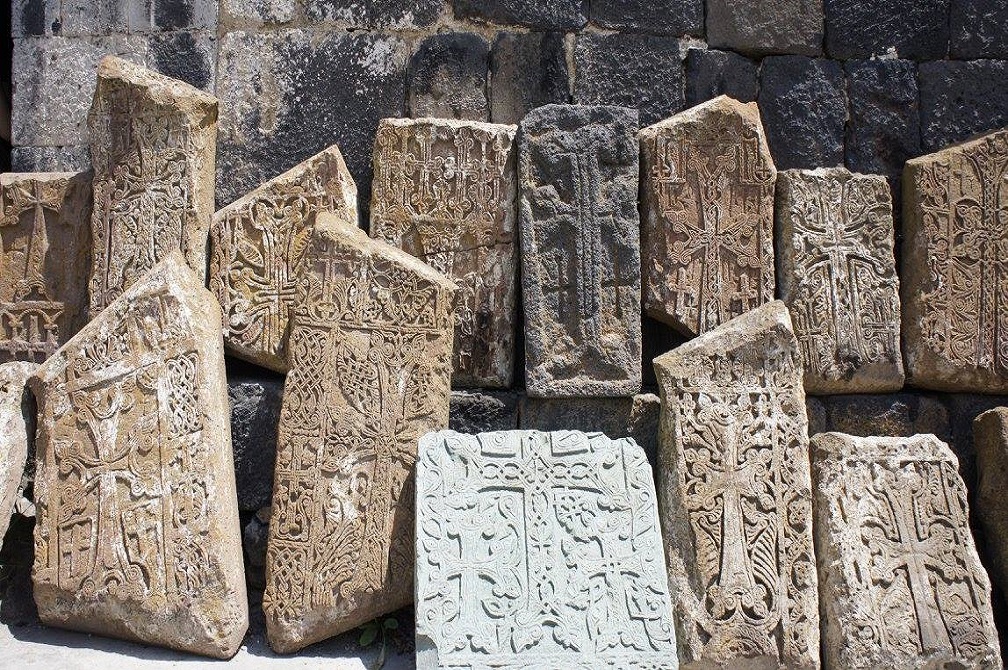
Big and small, black, white and colorful stones. They are everywhere in Armenia. The stones are the speechless witnesses of the history of Armenia. They hide the history of thousands of years, where there was a joy and sadness, pain and sorrow. But if you pay attention to, you can hear their cry. They will tell about victories and defeats of Armenian people, their hard work, love and devotion, pain and unwavering will. Armenians' attachment to the stone is deeply rooted. Here, in Armenia the magic stones have found their most original expression in the cross stones. Cross stone art is not merely an art. It is also the way of life that gives Christian Armenians the opportunity to live properly. The cross stone is the prayer of Armenians to God. A cross stone (Armenian: Khachkar) is a field monument consisting of an upright stone slab with a raised or carved cross. The cross stone has become a bridge between heaven and earth and the "key to heaven gates".
"Matenadaran" Manuscript Museum
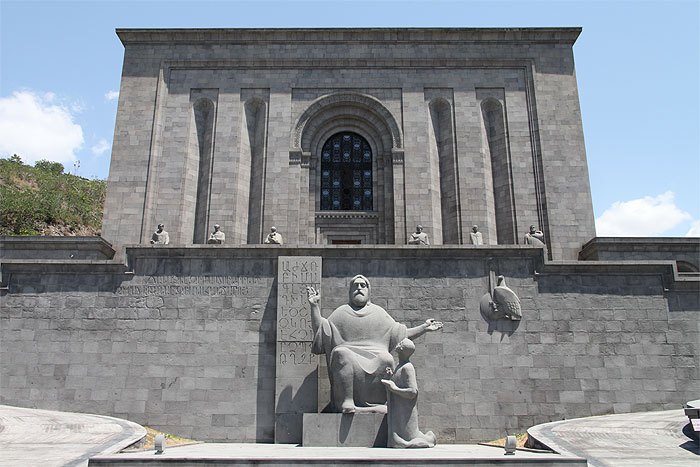
Armenian people have always treated their culture with great care. Even during the wars and the great Armenian tragedy (genocide), people firstly protected ancient, precious Armenian manuscripts, even if it costed them their lives in the process of spiritual conquest and assimilation. Innumerable number of manuscripts have been lost as a result of invasions and robbery. Special attention has paid to these manuscripts since our days. In 1957 there was built a state depository of ancient manuscripts called Matenadaran to keep these treasures. Hardly any visitor can leave the country without seeing the ancient and sacred...
"Matenadaran" Manuscript Museum
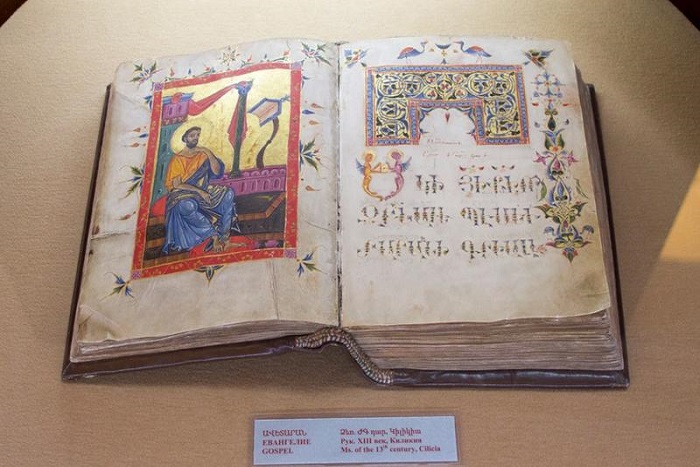
Armenian people have always treated their culture with great care. Even during the wars and the great Armenian tragedy (genocide), people firstly protected ancient, precious Armenian manuscripts, even if it costed them their lives in the process of spiritual conquest and assimilation. Innumerable number of manuscripts have been lost as a result of invasions and robbery. Special attention has paid to these manuscripts since our days. In 1957 there was built a state depository of ancient manuscripts called Matenadaran to keep these treasures. Hardly any visitor can leave the country without seeing the ancient and sacred books that have survived many centuries full of disasters. Thus, Matenadaran is a must-see place in Armenia. Matenadaran means " stock of manuscripts " or " library " in ancient Armenian. The Institute is an important center for the study and preservation of Armenian works of ancient literature. Matenadaran now protects over 16,477 surviving materials and about 300,000 archival documents, including about 2500 fragments. The manuscripts include almost all fields of ancient and medieval Armenian culture and science - history, geography, grammar, philosophy, law, medicine, mathematics, cosmography, calendar theory, alchemy, chemistry, translations, literature, chronology, art history, miniature, music and theater, as well as manuscripts in Arabic, Persian , Greek, Latin, Ethiopian, Indian, Japanese and other languages. This book depository keeps the oldest parchment book, the Gospel of Lazarus, written in 887. Visitors can also see the largest and heaviest Armenian manuscript weighing 34 kilograms. Matenadaran is probably one of the fewest museums in the world that exhibits ancient manuscripts of such great quantity. In 1997 the collection of manuscripts was declared a World Documentary Heritage by UNESCO.