ARMENIA
HomeArmenia
Dear visitors,
Welcome to Armenia, to our hospitable and sunny country!
We will tell you many interesting things about our ancient and beautiful country and give you unforgettable emotions.
Land of stones and sun
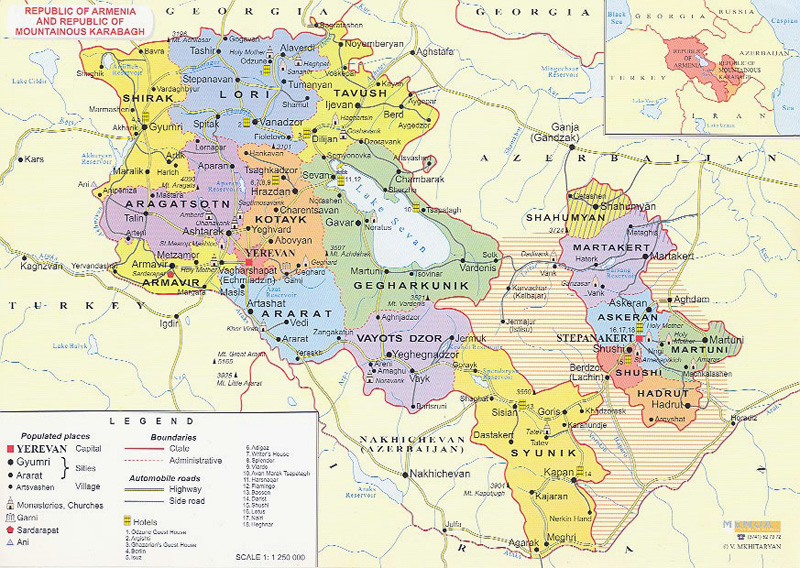
Armenia is one of the oldest and most beautiful countries in the world. The country is located in the transition between Asia Minor and Transcaucasia, between Orient and Occident. It is a mountainous country situating in the south of Caucasus. The country borders with Georgia, Iran, Turkey and Azerbaijan.The present state covers an area of 29,800 square kilometers in the northeast of Armenian Highlands. Armenia is a very distinct mountainous country - 90% of the country's area...
Land of stones and sun
Armenia is one of the oldest and most beautiful countries in the world. The country is located in the transition between Asia Minor and Transcaucasia, between Orient and Occident. It is a mountainous country situating in the south of Caucasus. The country borders with Georgia, Iran, Turkey and Azerbaijan.The present state covers an area of 29,800 square kilometers in the northeast of Armenian Highlands. Armenia is a very distinct mountainous country - 90% of the country's area is more than 1000 meters above sea level, the average altitude is over 1800 meters. The foothills of the Lesser Caucasus, over 3000 meters high, extend from the north. The highest elevation is the extinct volcano Aragats (4090 meters) not far from the biblical Ararat, the lowest point is about 380 meters high at the river Araks near the border with Iran.
Religion
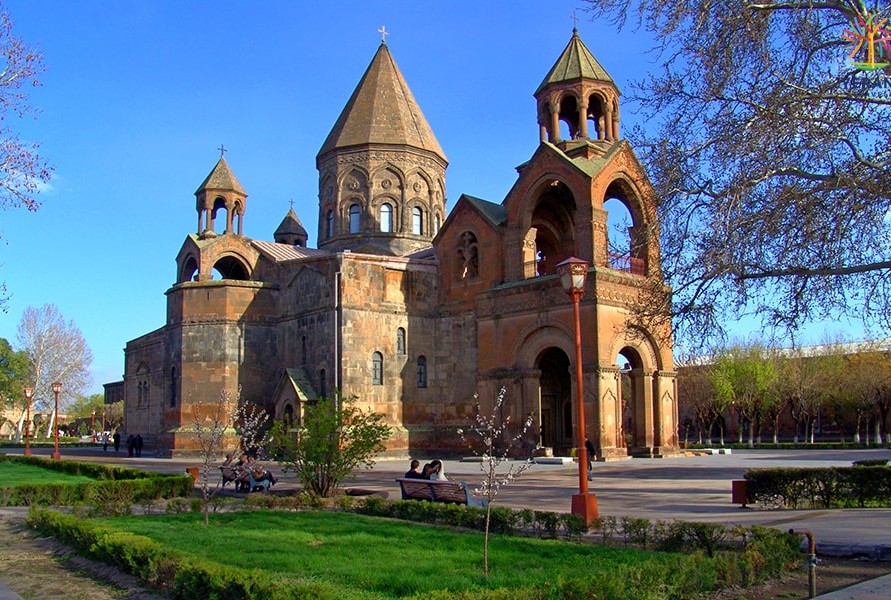
Armenia is the first Christian country in the world. In 301, thanks to his servant Gregory, King Tiridate III made Christianity a state religion in Armenia. The first official Christian church in the world was established in Armenia in 303. The Armenian Church is an ancient Oriental church today having nine million Armenian Christians in two catholicates (Echmiadzin, Sis), two patriarchates (Jerusalem, Constantinople) and about 30 dioceses, nine of them...
Religion
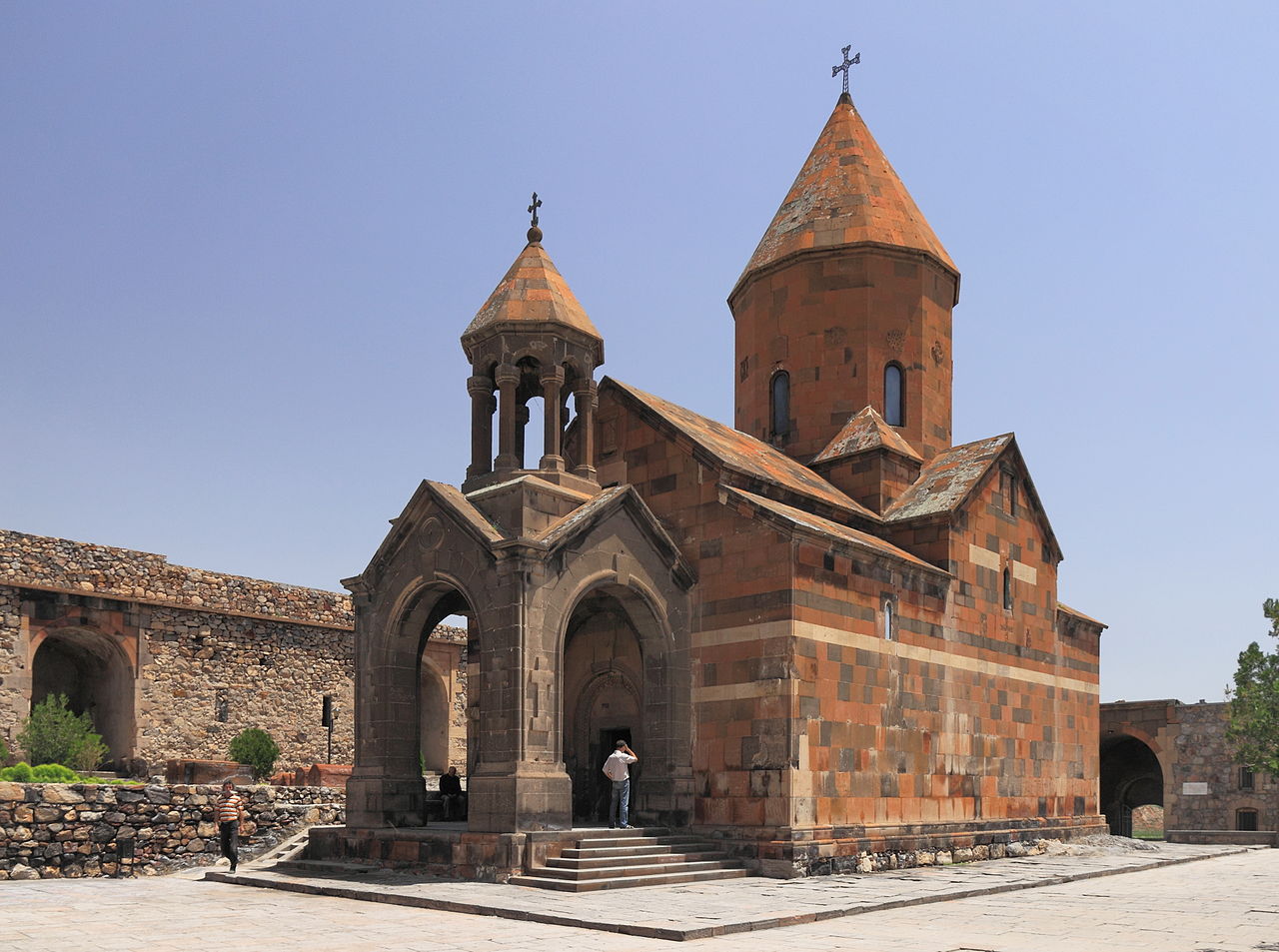
Armenia is the first Christian country in the world. In 301, thanks to his servant Gregory, King Tiridate III made Christianity a state religion in Armenia. The first official Christian church in the world was established in Armenia in 303. The Armenian Church is an ancient Oriental church today having nine million Armenian Christians in two catholicates (Echmiadzin, Sis), two patriarchates (Jerusalem, Constantinople) and about 30 dioceses, nine of them situating in Armenia. The Armenian Apostolic Church claims to return back to apostolic foundations. Apostles Thaddeus and Bartholomew preached, founded Christian communities and were martyred in Armenia in the second half of the first century.
Flora and climate
The climate in the country is mainly dry continental. There are large regional climatic differences in Armenia, which are caused because of strong landscape division. No less than five vegetation zones occur in Armenia: Semi-desert, dry steppe, mountain steppe, mountain forest and alpine zone. On the small territory of the Republic of Armenia from total 6000 plant species of the South Caucasus 3200...
Flora and climate
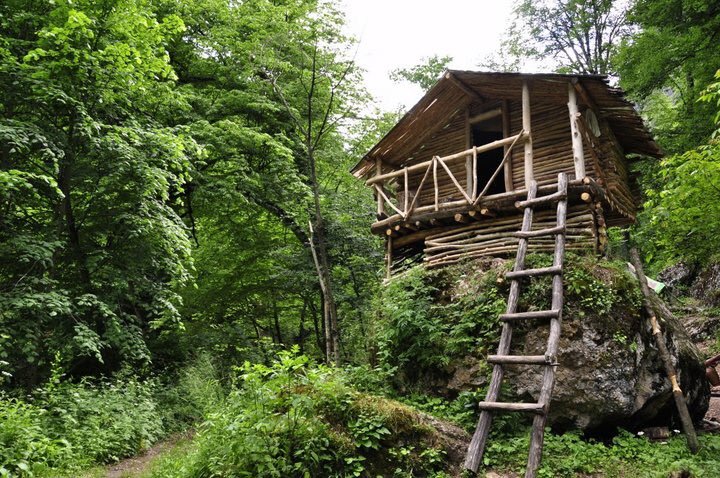
The climate in the country is mainly dry continental. There are large regional climatic differences in Armenia, which are caused because of strong landscape division. No less than five vegetation zones occur in Armenia: Semi-desert, dry steppe, mountain steppe, mountain forest and alpine zone. On the small territory of the Republic of Armenia from total 6000 plant species of the South Caucasus 3200 can be found. Summers are hot, often over + 35 degrees Celsius. Winters, on the other hand, can be very cold, down -30 degrees in the northern regions of the country. The amount of precipitation depends on the region, but only 300-550 millimeters of water fall on the ground annually, depending on the region. Only in spring the whole country appears to be covered with soft green. Of course, climate change can uccur very often in Armenia; there is more precipitation on average, especially in the winter months. Nevertheless, fruit varieties such as pomegranates, apricots, peaches, figs, grapes, pears, plums, apples as well as many berries have ripined in Armenian highlands for thousands of years. Apricot is an ancestral fruit of Armenia. It came to our latitudes under the Latin name "prunus armeniaca- Armenian plum". The fruits in the country are large and sweet. It is the sun which gives them a lot of strength to ripen. Mulberries, which come in black and white, are also very popular. In Armenia, mulberries are used not only to make jam, but also vodka and remedies for colds and coughs. The hot climate favors the growth of thistle species and thorn bushes. The natural vegetation of Armenia lies between the Mediterranean and alpine flora. Forests occupy 12% of the country territory. They are mainly concentrated in the northeast and in the mountainous region of Siunik. Here can be found beech, hornbeam, oak, elm, maple, sycamore, ash tree, pine tree, fir tree, nuts tree.
Fauna
In the historical times Armenia had a rich fauna. Herds of bison, wild horses, even huge elephants roamed the country. Wolves, bears, predatory cats can be met in the dense forests nowadays. Because of the difficult weather conditions the fauna of Armenia is decimated. Foxes, lynxes, jackals, badgers, red and wild boars can be met in the forest areas. There is also a variety of ibex, mouflon, numerous rodent species and...
Fauna
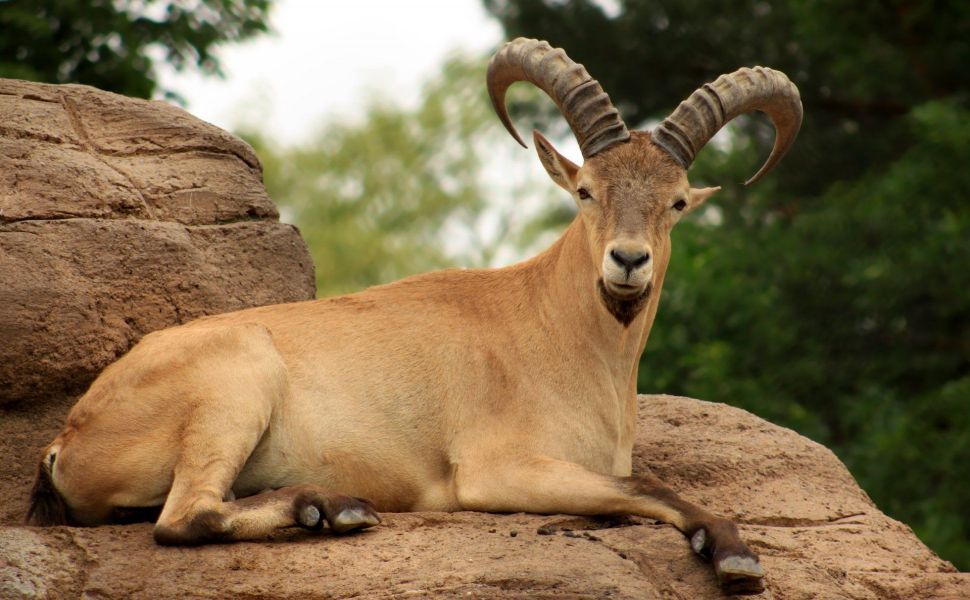
In the historical times Armenia had a rich fauna. Herds of bison, wild horses, even huge elephants roamed the country. Wolves, bears, predatory cats can be met in the dense forests nowadays. Because of the difficult weather conditions the fauna of Armenia is decimated. Foxes, lynxes, jackals, badgers, red and wild boars can be met in the forest areas. There is also a variety of ibex, mouflon, numerous rodent species and Armenian hoard viper. In the summer months snakes like to sunbathe on the trails, so sturdy shoe wearing is suggested. Many insects can be met in forests, especially during hiking tours in Armenia. The nature of the country includes various species of beetles and grasshoppers, ants and spiders, scorpions, lizards and snakes.
Mineral resources
The stones actually determine the landscape of Armenia. It is the art in the form of architecture and sculpture, but also of economy and trade. The Armenian highlands are rich with various volcanic rocks of the most beautiful colors such a tufa, basalt, travertine, limestone, marble and volcanic glass obsidian. The country also has rare metallic mineral resources such as molybdenum, lead, aluminum, zinc, copper ores. There are also silver and gold mines. Especially famous ones are the rare variegated stones of the highlands such as emerald, ruby, turquoise and...
Mineral resources
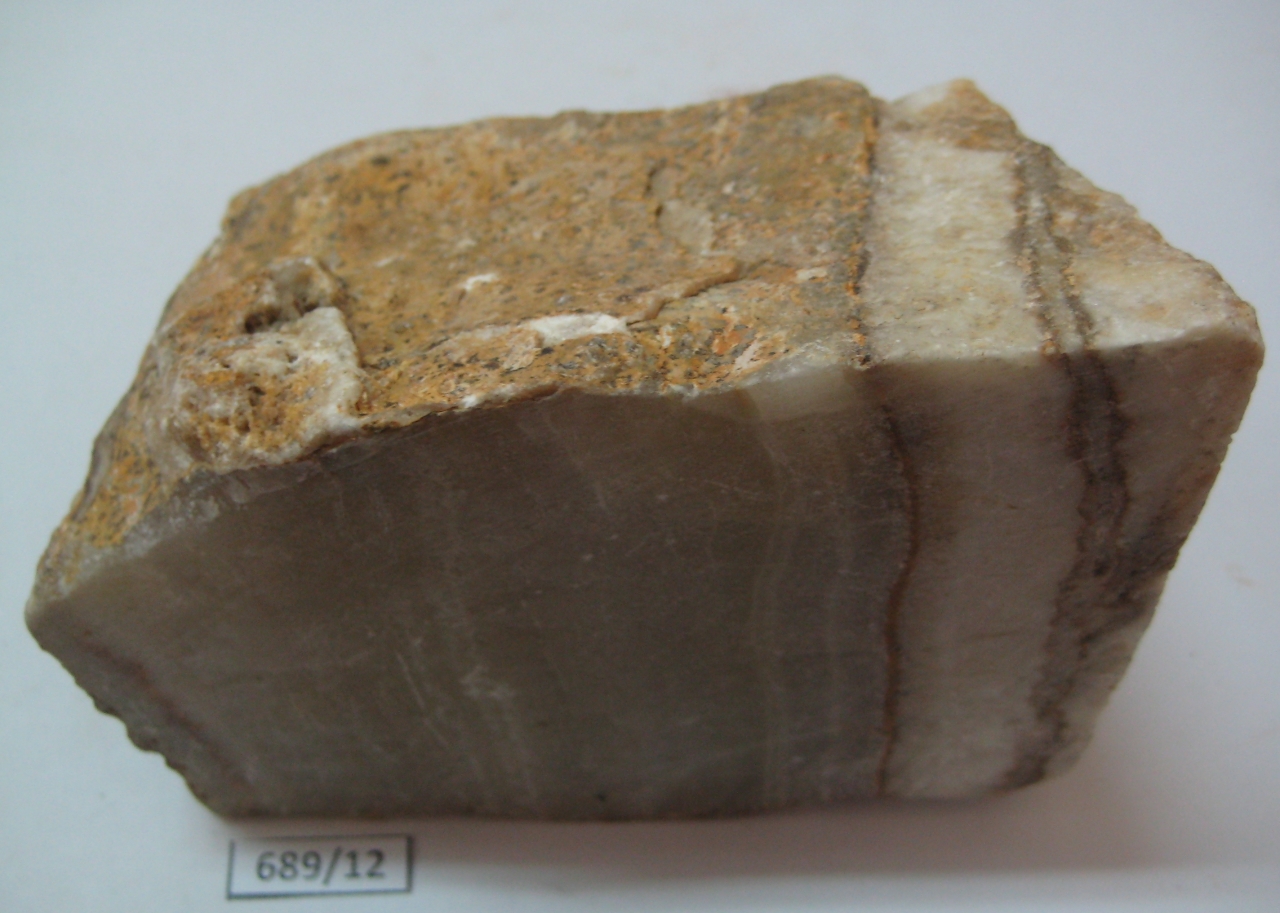
The stones actually determine the landscape of Armenia. It is the art in the form of architecture and sculpture, but also of economy and trade. The Armenian highlands are rich with various volcanic rocks of the most beautiful colors such a tufa, basalt, travertine, limestone, marble and volcanic glass obsidian. The country also has rare metallic mineral resources such as molybdenum, lead, aluminum, zinc, copper ores. There are also silver and gold mines. Especially famous ones are the rare variegated stones of the highlands such as emerald, ruby, turquoise and beryl. These minerals and rocks, along with cognac and mineral water, are the country's exportation products. The fossil resources of oil and natural gas are too small to be exported. The coal fields also do not have a large production rate.
The Armenian Apostolic Church
Name and origin
Church" or "Armenian Orthodox Church". Some churches also refer to Armenian Church as "Armenian Gregorian Church", intending to tie the origin of the Armenian Church only to St. Gregory the Illuminator. Even though we honor the personality and work of St. Gregory as our church patron and first patriarch,however we cannot agree with this designation, since the first enlighteners of Armenia as well as the founders of the Armenian Church were the apostles St. Thaddeus and St. Bartholomew. St. Gregory the Illuminator did not found...
The Armenian Apostolic Church
Name and origin
Church" or "Armenian Orthodox Church". Some churches also refer to Armenian Church as "Armenian Gregorian Church", intending to tie the origin of the Armenian Church only to St. Gregory the Illuminator. Even though we honor the personality and work of St. Gregory as our church patron and first patriarch,however we cannot agree with this designation, since the first enlighteners of Armenia as well as the founders of the Armenian Church were the apostles St. Thaddeus and St. Bartholomew. St. Gregory the Illuminator did not found the Armenian Church, but proclaimed Christianity the state religion. Thus, Armenia became the first state in the world where Christianity was proclaimed state religion.
Gregory the Illuminator (arm. Grigor Lusavorich), after adopting Christianity as a state religion, became the first Catholicos, i.e. the first head of Armenian Church. It is believed that he has been commissioned by Christ to build mother church of Armenians in Vagharshapat.(now Ejmiatsin)
However, the official declaration of Christianity as the state religion did not mean that Christianity has disappeared from Armenia after the martyrdom of the apostles. The missionary work of the apostles has been continued the following two centuries by others, most of who paid with their lives because of spreading the religion. Numerous Armenian as well as foreign language sources dating back before 301, tell about the spread and deep roots of Christianity in Armenia.
The highest and ninth rank of Armenian Church is the office of Catholicos. He also bears the titles, Supreme Patriarch, Supreme Bishop and High Priest.
Doctrine
The Armenian Church believes and confesses that man can be redeemed only through Jesus Christ.
The basis for the doctrine of Armenian Church are Old and New Testaments, the decisions of first three Ecumenical Councils of Nicaea in 325, of Constantinople in 385, and of Ephesus in 431, as well as decisions of the Councils of Armenian Church.
The Armenian Church rejects the decisions of the Council of Chalcedon (451) about two natures of Christ. Consequently, the Armenian Church also considers the other Ecumenical Councils of the Byzantine Orthodox Churches (7 councils) and the Roman Catholic Church (23 councils) as non-ecumenical or universal.
In view of the rejection of Chalcedon, the Armenian Church has been accused of the heresy of Monophysitism, the insinuation of which is rightly rejected by Armenian church. For the following first three councils (Nicea 325, Constantinople 381 and Ephesus 431), it is professed that inside the Christ the divine and human natures are united. According to the conviction of the Armenian Church, the incarnate Son of God is "one being, one person, one hypostasis, one God-human nature, in whom the divine and human natures of Christ were united inseparably and unmixed." This formula is intended to express nothing else but the indissoluble unity of both natures of Christ. It is the unity in which neither of two natures is ascribed any diminution.
The Armenian Church teaches that the third person of the Trinity (i.e., Trinity), the Holy Spirit, proceeds only from the Father and rejects the doctrine of philioquy, by which it is asserted that the Holy Spirit proceeds from both Father and the Son. This was one of the main reasons that led to the church schism of 1054.
The Armenian Church believes in the intercession of saints. It believes that people who were faithful and sinless during their earthly life, lived a pure and spotless life and dedicated their lives to God and Christ, or were persecuted, tortured or even martyred for their unwavering faith, are given the dignity of being canonized. The Church ranks these personalities among the saints such as the Blessed Virgin Mary, all the Apostles, Gregory the Illuminator, Mesrop Mashdotz, Sahak Partev, Vardan Mamikonian, Grigor Narekatzi, Nerses Schnorhali and many others.
The church calendar and sacraments
In Armenian church calendar there are various feasts. They are divided into fixed and moveable feasts. For the latter, the date of Easter is often decisive. We can divide the fixed and moveable feasts into the following groups: "Feasts of the Lord", these concern the life of Christ; "Feasts of the Cross", they praise the Cross of Christ and the salvation promised through it; "Feasts of the Church", they commemorate the foundation and spread of the Universal as well as the Armenian Church, "Commemorative Days of the Saints", they refer...
The church calendar and sacraments
In Armenian church calendar there are various feasts. They are divided into fixed and moveable feasts. For the latter, the date of Easter is often decisive. We can divide the fixed and moveable feasts into the following groups: "Feasts of the Lord", these concern the life of Christ; "Feasts of the Cross", they praise the Cross of Christ and the salvation promised through it; "Feasts of the Church", they commemorate the foundation and spread of the Universal as well as the Armenian Church, "Commemorative Days of the Saints", they refer to the saints of the Universal and the Armenian Church, and finally "Fast Days". The Armenian Church has devoted about 160 days a year for Lent. Great Lent covers 50 days preceding Easter. According to Armenian Church, only vegetable food is allowed during the Lent.
The feast days are sometimes celebrated in a very ostentatious manner. These are called Taghawar or Great Feasts. There are 5 such festivals in a year. In sequence they are the following:
1) The Christmas festival or the birth and baptism of Christ, with a word of God revelation of Christ: January 6.
2) The Resurrection of Christ or Easter: between March 23 and April 30 (has a common date with Western churches).
3) The Transfiguration of Christ: the 14th Sunday after Easter.
4) The Assumption of Mary in August: the Sunday between August 12 and 18.
5) The Feast of the Exaltation of the Cross in September: the Sunday between September 11 and 17.
Other important church feast days or commemoration days are the following:
• Annunciation of Mary (Mother and Beauty Day in Armenia): April 7.
• Commemoration Day of the 1.5 million martyrs of the 1915 Turkish Armenian Genocide: 24 April
• Ascension Day: moveable; it depends on Easter celebration
• Pentecost (arrival of the Holy Spirit): movable; it depends on Easter feast
• Commemoration Day of St. Gregory, 1st Catholicos of the Armenian Church: moveable; it depends on Easter feast
• Day of the foundation of Mother See of Holy Ejmiatsin: moveable, it depends on Easter
• Nativity of the Blessed Virgin Mary: 8 September
• Commemoration Day of St. Sahak and St. Mesrop, inventors of Armenian alphabet and the translators of Holy Scripts who have translated the writings into Armenian: always on the 2nd Saturday of October
• Commemoration Day of St. Taddeus and St. Bartholomew, apostles and first enlighteners of Armenia:in end of November, in the beginning of December
The Armenian Church recognizes 7 sacraments (mysteries). These are:
Baptism
Anointment
Wedding
Lord's Supper (Eucharist)
The laying on of hands (ordination)
Penance
The last rites (performed only by clergyman)
Infant baptism is commonly practiced. The baptized are anointed with myron oil after water baptism and subsequently receive 1st Communion. There is no confirmation. Confession is held in the service as a general confession.
The Holy Mass of the Armenian Church
The Sunday Holy Liturgy is the center of Armenian Church's worshipment life. Individual prayers at special times of the day have been combined with development process and are held during the morning and evening prayer hours.
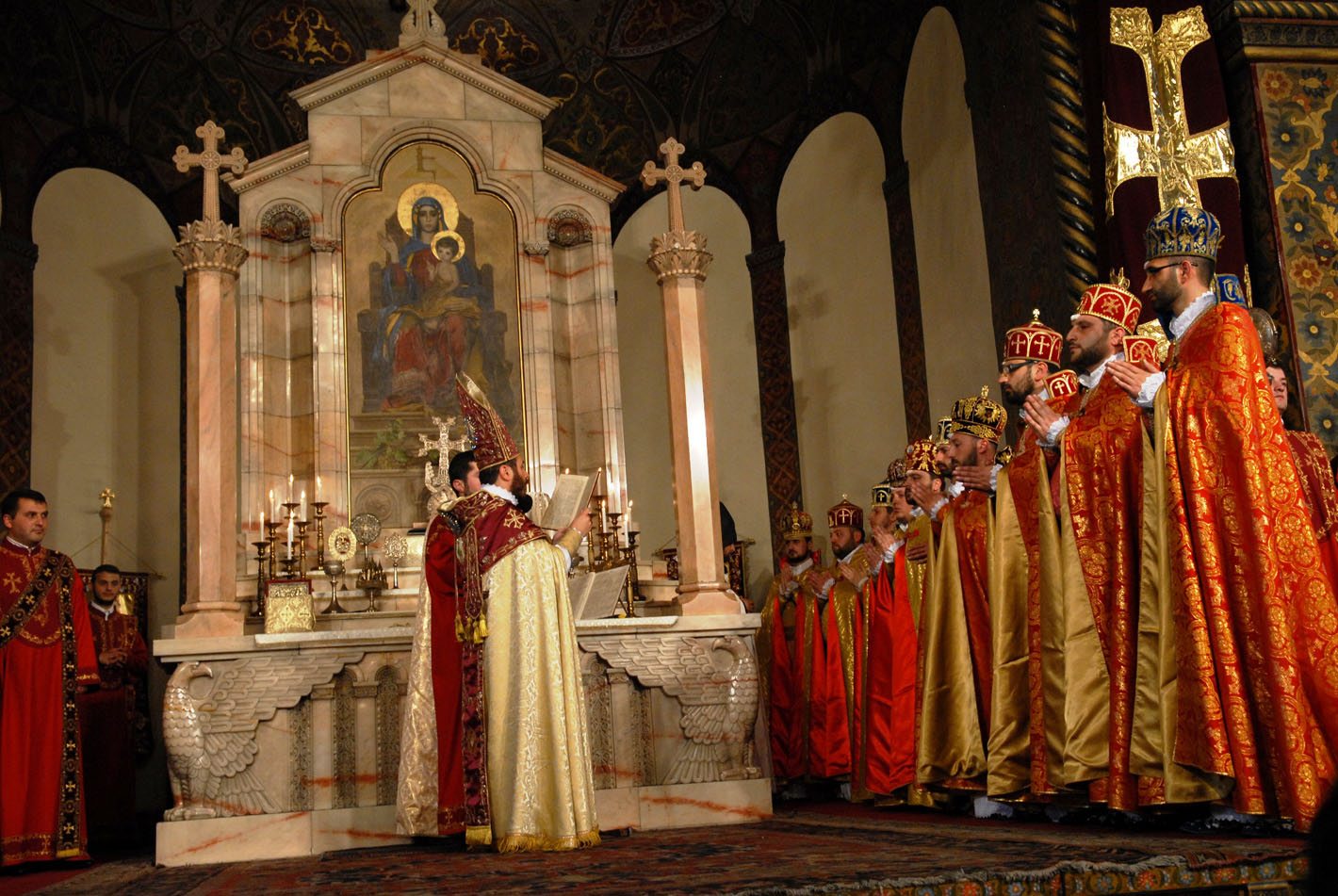
The idea of Holy Liturgy (Armenian "Surp Badarak"-i.e. Holy Sacrifice) is Jesus's last meal with his disciples. The liturgical text is traced back to the first patriarch and Catholicos Gregory the Illuminator.
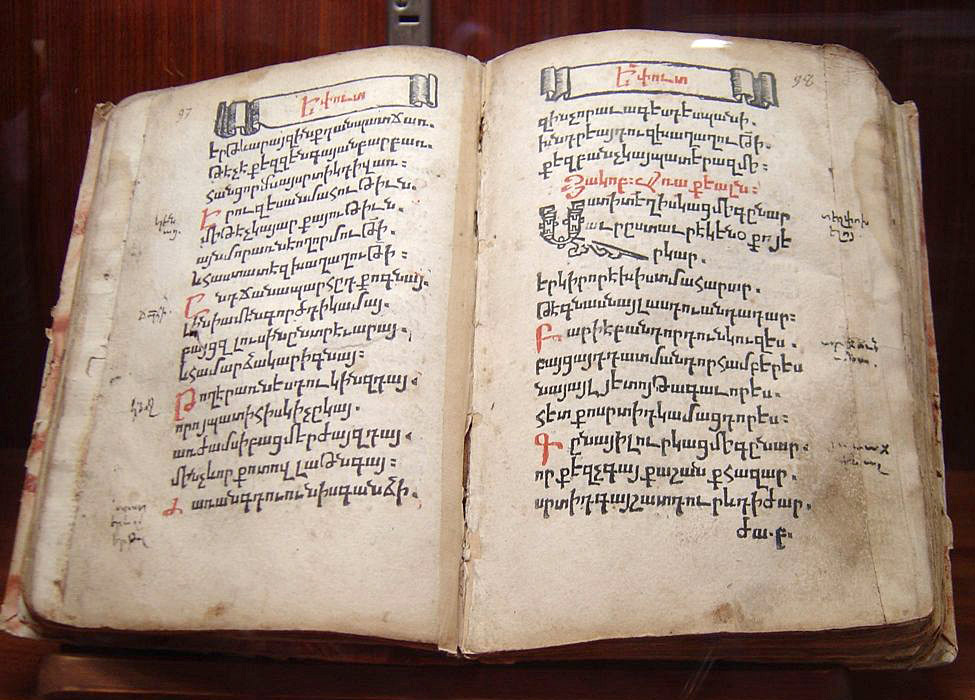
Until the introduction of Armenian script in the early 4th century, Syriac and Greek were used in various provinces of Armenia as languages of worship. Therefore, depending on existing cultural sphere of influence, the liturgy of St. James from Jerusalem via Cappadocia, the liturgies of St. Basil and St. Chrysostom penetrated to Armenia at that period of time. The Armenian liturgy, thus, has its own place within the great Antiochian liturgical family.In 405 after Armenian script creation done by Mesrop Mashtoz, it was possible to set down prayers and hymns in Armenian in a writing form ; however, the development of Armenian liturgy comes to the preliminary conclusion only in the 17th century with the introduction of printed liturgy books.
In the 13th century the Latin mass was translated into Armenian. The opening part of Latin Mass was also included in Armenian liturgy. However, it is introduced with the magnificent hymn "Khorhurt Khorin" (Deep Mystery) written by Khatschatur of Taron. It is not wrong to say that the liturgy currently being used in Armenian Church forms "a highly original synthesis" of the ancient liturgies of the great sister churches and of its own, Armenian tradition.
The Armenian liturgy consists of four parts:
Preparatory service, Armenian: Badrasdutyun.
Synaxis i.e. service of the word, Armenian: Dschaschuzham
Sacrificial service, Armenian: Surp Badarak or Zohaberum
Blessing and dismissal, Armenian: Orhnutyun jew Arzagum
The Armenian language
Origin
Armenian (proper name Hayeren) belongs to Indo-European language family, but unlike Greek or Albanian, it doesn't have any close relatives in this language family.
Linguistic history distinguishes the following forms of Armenian:
Old Armenian (also called Grabar): 5th to 11th c.
Middle Armenian: 11th to 17th c.
New Armenian (also called Ashkharabar): since the 17th century. New Armenian...
The Armenian language
Origin
Armenian (proper name Hayeren) belongs to Indo-European language family, but unlike Greek or Albanian, it doesn't have any close relatives in this language family.
Linguistic history distinguishes the following forms of Armenian:
Old Armenian (also called Grabar): 5th to 11th c.
Middle Armenian: 11th to 17th c.
New Armenian (also called Ashkharabar): since the 17th century. New Armenian consequently has two forms conditioned historically and geographically : Eastern Armenian and Western Armenian, which differ mainly in pronunciation and vocabulary, and to some extent in grammar. Eastern Armenian today is the official language of the Republic of Armenia and is also spoken by Iran's Armenian-speaking community. Western Armenian, which was originally spoken by Armenians living in Ottoman Empire, is now scattered throughout the world, in the Middle East, Europe, and the United States, due to the Armenian Genocide of 1915.
Vocabulary
The Armenian language contains quite a few loan words from Greek and Iranian languages. Due to this fact, for a long time it was mistakenly thought to be an Iranian dialect. During Soviet times, many words were borrowed from Russian. Since Armenia's independence, greater emphasis has been put on a purity of the language and the culture of the language.
Distribution
About 9 million people worldwide speak Armenian. At present, only about 3.2 million Armenians live in the Republic of Armenia. Armenians have a very strong attachment to their history, religion and language and maintain their mother tongue regardless which country of the world the fate has brought them to.
The main guarantor of Armenian language usage continuation abroad is the family. Thus, we can tell that Armenian is being spoken in practically all countries of the world. Among the most important centers of Armenian diaspora are the USA, Russia, France and the Middle East countries.
Armenian script
The Armenian script was created by the graduated monk Mesrop Mashtots in the early 5th century. The orthography and the sequence of the sounds were taken from Greek alphabet, but characters denoting sounds not used in Greek were reinvented by Mesrop Mashtots. Originally there were 36 characters in the Armenian alphabet, but in the early Middle Ages three more letters were added.
Armenian numerals
Before Armenia adopted the Arabic numeral system, numbers were represented with the help of letters. In principle, only capital letters were used to represent the numbers. The 36 letters were arranged in 4 rows of having 9 letters in each row. The first row designated the numbers from 1 to 9, the second – from 10 to 90, the third from 100 to 900 and the fourth from 1,000 to 9,000. With the letters introduced only in the Middle Ages (for the reproduction of the sounds "O" and "F") the numbers 10,000 and 20,000 were designated.
National flag, coat of arms and national anthem of the Republic of Armenia
National flag
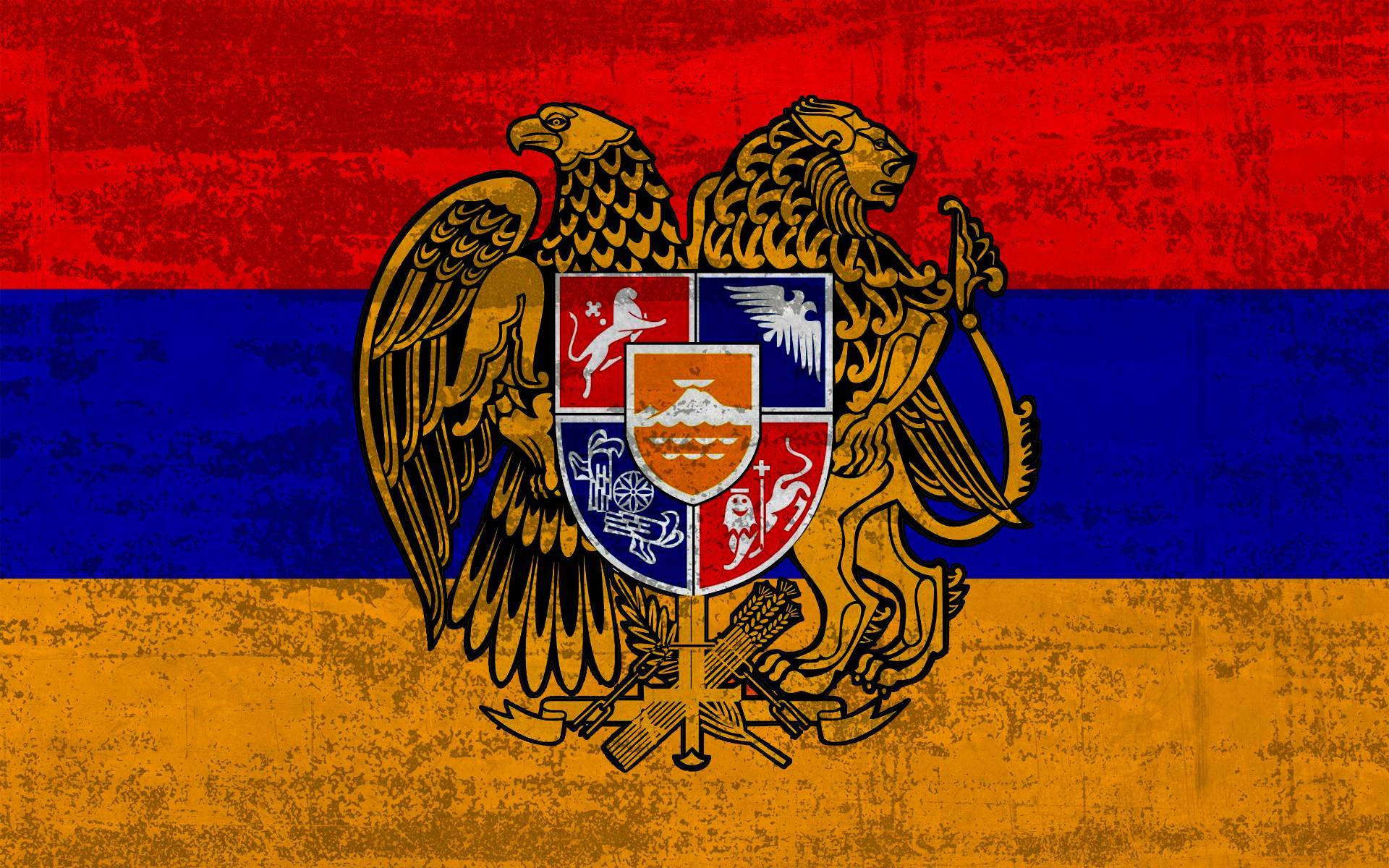
The flag of Armenia consists of three horizontal stripes of equal size: red at the top, blue in the middle and orange at the bottom. The current national flag of Armenia has been used since the times of Democratic Republic of Armenia (1918-1922), however from 1922-1991 when Armenia was annexed to the USSR it was replaced by the one, similar to Soviet flag. It remained a symbol of Independent Armenia during demonstrations in the final days of the Armenian SSR in the 1980s and was reinstated on August 24, 1990...
National flag, coat of arms and national anthem of the Republic of Armenia
National flag
The flag of Armenia consists of three horizontal stripes of equal size: red at the top, blue in the middle and orange at the bottom. The current national flag of Armenia has been used since the times of Democratic Republic of Armenia (1918-1922), however from 1922-1991 when Armenia was annexed to the USSR it was replaced by the one, similar to Soviet flag. It remained a symbol of Independent Armenia during demonstrations in the final days of the Armenian SSR in the 1980s and was reinstated on August 24, 1990.
The official meanings of the colors are stated in the Constitution of Armenian Republic:
The red symbolizes the Armenian Highlands, the struggle of the Armenian people for survival, the blood shed for Armenia's independence and freedom.
The blue symbolizes the will of Armenian nation to live under peaceful sky.
The orange symbolizes the creative talent and hard-working nature of Armenian people.
Coat of arms
The Law "On the State Emblem of the Republic of Armenia was adopted by the Supreme Soviet of the Republic of Armenia on April 19, 1992. It reintroduced a slightly modified version of state coat of arms of Democratic Republic of Armenia (1918-1922). It was created by Alexander Tamanian and Hakob Kojoyan.
Symbols and meaning
The Armenian coat of arms is quadripartite in red and blue and shows the arms of four Armenian royal houses Artashesian, Arshakuni, Bagratuni and Rubinian(Kingdom of Kilikia).
On a golden central shield there is dipicted Mount Ararat, on which the contours of Noah's Ark can be seen. On the left (heraldically on the right) there is a golden eagle and on the right (heraldically on the left) there is a golden lion, as a heraldic holder holding the shield and resisting both. They are symbols of Armenian Apostolic Church as well as of Bagratid royal house and stand for spiritual strength and power, steadfastness and courage. Furthermore, the coat of arms is adorned with an upraised golden sword with a deliberate broken chain as a symbol of Armenian people's struggle for freedom and independence, as well as a cluster of corn and a branch crossed in gold under the shield as symbols of creativity and peacefulness.
National Anthem
"Mer Hairenik" (Our Motherland).
The anthem has been sung since July 1, 1991. It is based on the anthem of first Armenian Republic (1918-1920) but has a different text. It was written by Mikael Nalbandian (1829-1866) and composed by Barsegh Kanachian (1885-1967).